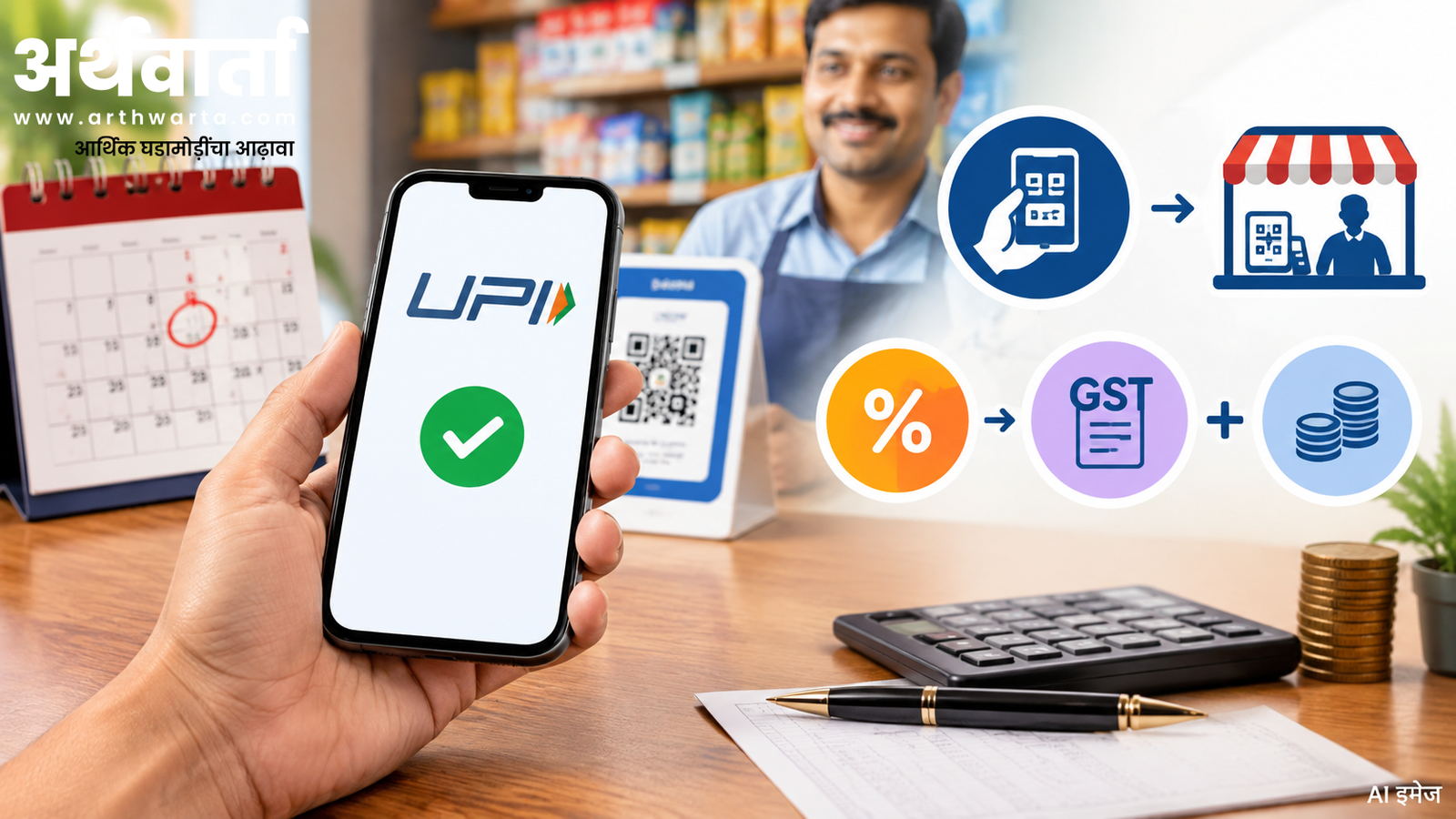




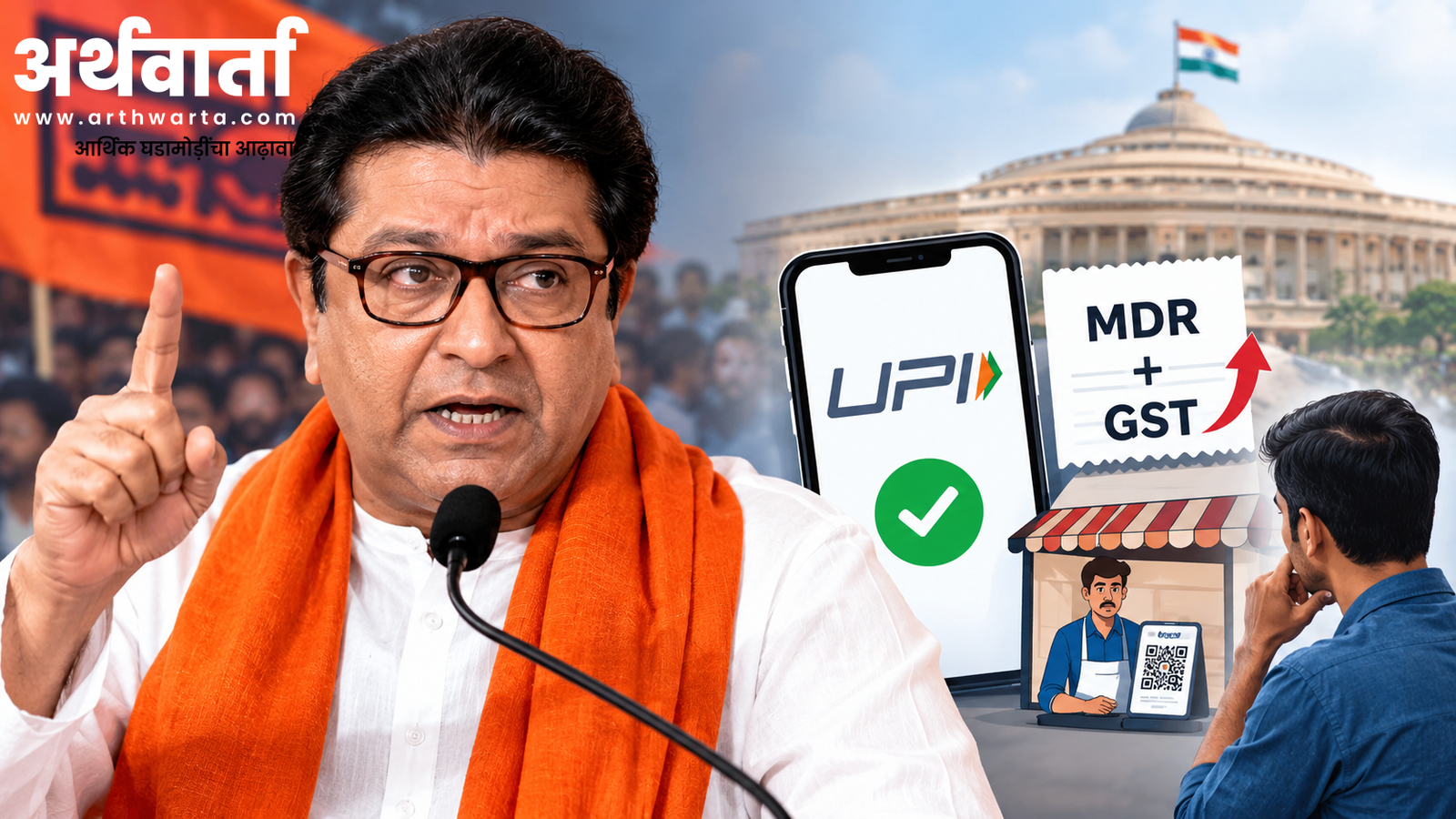
यूपीआय व्यवहारांवर व्यापारी सवलत दर लागू करण्याच्या प्रस्तावावर महाराष्ट्र नवनिर्माण सेनेचे अध्यक्ष राज ठाकरे यांनी तीव्र आक्षेप नोंदवला आहे. शुल्क व्यापाऱ्यांनीच सहन करावे, असे सरकारचे म्हणणे असले तरी त्याचा भार ग्राहकांवर टाकला जाणार नाही याची हमी काय, असा सवाल त्यांनी उपस्थित केला आहे. तसेच या शुल्कावर वस्तू व सेवा कर आकारण्याच्या निर्णयावरही त्यांनी प्रश्न उपस्थित करत सरकारच्या डिजिटल व्यवहार धोरणावर टीका केली आहे.
यूपीआय शुल्कावर राज ठाकरे यांचा आक्षेप
यूपीआय व्यवहारांवर व्यापारी सवलत दर म्हणजेच एमडीआर लागू करण्याच्या प्रस्तावावर राज ठाकरे यांनी सरकारच्या धोरणावर प्रश्नचिन्ह उपस्थित केले आहे. त्यांच्या मते, डिजिटल व्यवहारांना प्रोत्साहन देताना नागरिकांना यूपीआयची सवय लावण्यात आली आणि आता त्याच व्यवहारांवर शुल्क आकारण्याची प्रक्रिया सुरू होत आहे.
राज ठाकरे यांनी या बदलाला ‘डिजिटल सापळा’ असे संबोधत सरकारच्या हेतूवरच प्रश्न उपस्थित केला आहे. नोटबंदीपासून डिजिटल व्यवहारांच्या विस्तारापर्यंतच्या सरकारी धोरणाचा संदर्भ देत त्यांनी नागरिकांनी या बदलांकडे सावधपणे पाहण्याची गरज असल्याचे म्हटले आहे.
दोन हजार रुपयांवरील व्यवहारांवर शुल्काचा प्रश्न
A Knock on the Door By imposing a ‘Merchant Discount Rate’ (MDR), or simply put, a fee on UPI transactions (albeit not across the board), the Central Government has set a ‘digital trap’ for Indians, whether they are merchants or consumers. First came demonetization; then the UPI system was introduced with great fanfare to showcase the push for digital transactions. They trumpeted its success, basked in self-praise, got people habituated to it, and then suddenly announced that fees would apply to these transactions. In short, they lulled citizens into a false sense of security and quietly ensnared them in a ‘digital trap.’ For years, I have been warning people not to be complacent or assume that everything is running smoothly. This government is bound to come knocking at your door eventually, and that process has already begun. The government introduced the UPI system for digital transactions. It sought a positive response, and it got one. Which is fine. But if the intention behind introducing this digital payment system was truly to simplify financial exchanges, why weren’t provisions made right from the investment stage to ensure its sustainability without hitting the common man’s pocket? Such payment systems require funds for long-term maintenance and cybersecurity; why wasn’t a permanent budgetary provision made for this? Will an MDR of 0.4% apply to purchases exceeding ₹2,000? The government claims that merchants should bear this burden, but what guarantee is there that merchants will absorb the cost instead of passing it on to the customers? Does the government have any mechanism to monitor this? The answer is a resounding ‘no.’ The current Finance Minister would likely levy 18% GST on the air that we breath if it were physically possible; since it isn’t, she has imposed GST on the MDR (Merchant Discount Rate) instead. In short, dip into citizens’ pockets wherever possible. Prime Minister Modi used to travel abroad promoting UPI and patting himself on the back; when he visits foreign countries next, will he laugh aloud and explain how he imposed MDR and GST? The Congress party has alleged that this move was made under pressure from the US government. I do not know about that. However, can the central government confidently state whom they consulted before this decision, or deny that foreign card companies and global payment systems were uneasy about the situation? The answer is no. There was likely pressure from somewhere, and the government seized the opportunity to fill its own coffers. The issue isn’t about forty paise or forty rupees; it is about the government’s intentions. Whether it was demonetization or digital payments, the government’s intentions were never transparent. The question of who would bear the cost of operating UPI should have been addressed right when the system was being established – a step that was either overlooked or deliberately avoided. The Finance Ministry had explicitly stated this in 2022. However, as I mentioned, the plan to dip into your pockets had already been fixed. The government should not resort to hollow arguments about transactions between individuals being exempt. You have set a digital trap, and every Indian is now caught in it. The Maharashtra Navnirman Sena registers its protest against this MDR (Merchant Discount Rate). Merchants should vehemently oppose paying these charges. (I am deliberately attaching a screenshot of the tweet from August 21, 2022, in which the government announced that there would be no charges on UPI transactions.) Raj Thackeray
— Raj Thackeray (@RajThackeray) September 19, 2026
यूपीआयवरील दोन हजार रुपयांपेक्षा अधिक मूल्याच्या खरेदी व्यवहारांवर ०.४ टक्के एमडीआर लागू होणार आहे का, असा प्रश्न राज ठाकरे यांनी उपस्थित केला आहे.
सरकारच्या म्हणण्यानुसार या शुल्काचा भार व्यापाऱ्यांनी उचलायचा आहे. मात्र व्यापारी हा खर्च स्वतः सहन करतील की तो ग्राहकांकडून वसूल करतील, याबाबत त्यांनी शंका व्यक्त केली आहे. ग्राहकांकडून अतिरिक्त रक्कम आकारली जाणार नाही याची तपासणी करण्यासाठी सरकारकडे प्रभावी यंत्रणा आहे का, असाही सवाल त्यांनी केला आहे.
एमडीआरवरील वस्तू व सेवा करावरही टीका
एमडीआरवर वस्तू व सेवा कर आकारण्याच्या निर्णयावरही राज ठाकरे यांनी टीका केली आहे. त्यांच्या मते, व्यवहाराशी संबंधित शुल्कावर पुन्हा कर आकारल्यामुळे नागरिकांवरील आर्थिक भार वाढण्याचा प्रश्न निर्माण होतो.
त्यांनी अर्थमंत्री आणि केंद्र सरकारच्या कर धोरणावर टीका करत विविध मार्गांनी नागरिकांच्या खिशातून पैसा काढला जात असल्याचा आरोप केला आहे.
यूपीआयच्या खर्चाचा भार कोण उचलणार?
यूपीआयसारखी मोठी डिजिटल पेमेंट व्यवस्था उभी करण्यासाठी तसेच तिची दीर्घकालीन देखभाल आणि सायबर सुरक्षा सुनिश्चित करण्यासाठी मोठ्या प्रमाणावर निधीची आवश्यकता असते. ही व्यवस्था उभारताना तिच्या दीर्घकालीन खर्चासाठी कायमस्वरूपी अर्थसंकल्पीय तरतूद का करण्यात आली नाही, असा राज ठाकरे यांचा प्रश्न आहे.
त्यांच्या मते, डिजिटल व्यवहारांना प्रोत्साहन देण्याचा निर्णय घेतानाच या व्यवस्थेचा खर्च कोण उचलणार, याचे स्पष्ट नियोजन झाले पाहिजे होते.
सरकारच्या २०२२ मधील भूमिकेची आठवण
राज ठाकरे यांनी २१ ऑगस्ट २०२२ रोजी सरकारकडून यूपीआय व्यवहारांवर शुल्क आकारले जाणार नसल्याचे जाहीर करण्यात आले होते, याची आठवण करून दिली आहे.
या संदर्भातील सरकारच्या जुन्या घोषणेचा दाखला देत त्यांनी सध्याच्या एमडीआर प्रस्तावावर प्रश्न उपस्थित केला आहे. त्यांच्या मते, नागरिकांना सुरुवातीपासून शुल्कमुक्त डिजिटल व्यवहारांची सवय लावल्यानंतर आता शुल्क आकारण्याचा निर्णय घेण्यात येत आहे.
परदेशी कंपन्यांच्या दबावाचाही प्रश्न
यूपीआयवरील शुल्काच्या निर्णयामागे अमेरिकन सरकारचा दबाव असल्याचा आरोप काँग्रेसकडून करण्यात आला असल्याचे राज ठाकरे यांनी नमूद केले आहे. मात्र या आरोपाबाबत आपल्याला निश्चित माहिती नसल्याचेही त्यांनी स्पष्ट केले आहे.
तरीही या निर्णयापूर्वी केंद्र सरकारने कोणाशी चर्चा केली आणि जागतिक कार्ड कंपन्या किंवा आंतरराष्ट्रीय पेमेंट प्रणालींच्या भूमिकेचा विचार करण्यात आला का, याबाबत सरकारने स्पष्टता द्यावी, अशी मागणी त्यांनी केली आहे.
शुल्काच्या रकमेपेक्षा धोरणावर आक्षेप
राज ठाकरे यांच्या मते, मुद्दा केवळ काही पैसे किंवा काही रुपयांच्या शुल्काचा नाही. डिजिटल व्यवहारांची संपूर्ण व्यवस्था कोणत्या उद्देशाने उभी करण्यात आली आणि तिचा आर्थिक भार भविष्यात कोण उचलणार, हा मूलभूत प्रश्न आहे.
व्यक्ती ते व्यक्ती यूपीआय व्यवहारांना शुल्कातून वगळण्यात येत असल्याचा युक्तिवाद करून सरकारने हा प्रश्न टाळू नये, असेही त्यांनी म्हटले आहे.
महाराष्ट्र नवनिर्माण सेनेचा व्यापाऱ्यांना विरोधाचा संदेश
महाराष्ट्र नवनिर्माण सेनेने यूपीआयवरील एमडीआरला विरोध नोंदवला असून व्यापाऱ्यांनी हे शुल्क भरण्यास ठामपणे विरोध करावा, असे राज ठाकरे यांनी म्हटले आहे.
त्यांनी २१ ऑगस्ट २०२२ रोजीच्या सरकारच्या घोषणेचा स्क्रीनशॉटही प्रसिद्ध केला आहे. त्या घोषणेत यूपीआय व्यवहारांवर शुल्क आकारले जाणार नसल्याचे सांगण्यात आले होते, असा त्यांचा दावा आहे.
यूपीआयवरील एमडीआरचा मुद्दा केवळ व्यापाऱ्यांवरील शुल्कापुरता मर्यादित राहिलेला नाही. या शुल्काचा भार अखेरीस ग्राहकांवर पडणार का, एमडीआरवरील वस्तू व सेवा करामुळे अतिरिक्त खर्च वाढणार का आणि डिजिटल पेमेंट व्यवस्थेचा दीर्घकालीन खर्च कोण उचलणार, हे प्रश्न आता चर्चेच्या केंद्रस्थानी आहेत. राज ठाकरे यांनी याच मुद्द्यांवरून केंद्र सरकारच्या धोरणावर आक्षेप घेत व्यापारी वर्गाला एमडीआरला विरोध करण्याचे आवाहन केले आहे.